What is the Hijab?
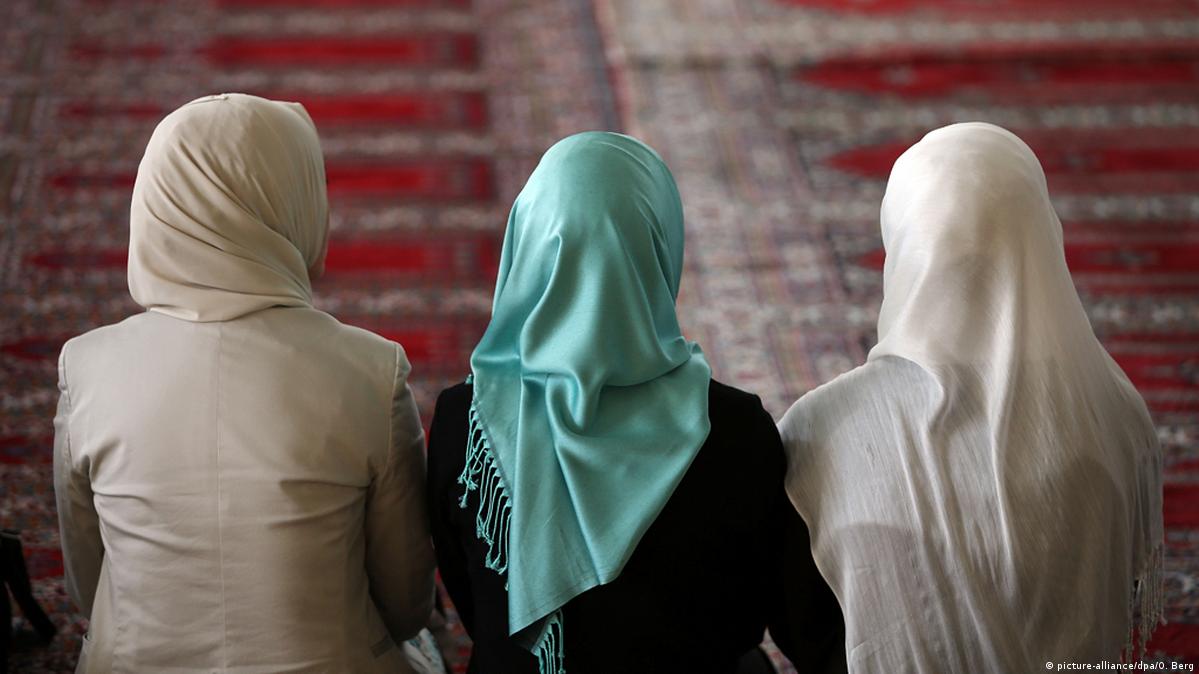
The word Hijab comes from the Arabic root word ‘Hajaba’, which means to conceal or cover. In an Islamic context, Hijab refers to the dress code required for Muslim females who have reached puberty. Hijab is the requirement of covering or veiling the entire body with the exception of the face and hands. Some also choose to cover their face and hands and this is referred to as Burqa or Niqab. The Hijab is not required in situations where there are only females and certain male relatives present. However, hijab is not just about outer appearances; it is also about noble speech, modesty, and dignified conduct. These righteous manners are also required of men. Muslim males are also required to dress in loose and unrevealing clothing in order to maintain their modesty and dignity.
The Hijab is Obedience
The Hijab is Modesty
Islam promotes modesty and decency and seeks to minimise immorality within society. The Hijab, amongst other things, helps attain this goal.
Note that in the above verses, it is men who are addressed first in regards to lowering their gaze and guarding their modesty. This counters the claim that all responsibility for such modesty is shouldered by women.
While Islam discourages public displays of immodest dress and sexual behavior, being a practical religion, Islam encourages love, affection and intimacy between married couples in private.
The Hijab is Protection
The wisdom behind the Hijab is to minimise sexual enticement and moral degradation in society as much as possible for both men and women. The Hijab helps protect men, women and society by creating stability in both families and communities in a number of ways:
- Shields from unwanted advances.
- Shields women from perverted looks and superficial scrutiny.
- May help reduce the likelihood of sexual assaults against women.
- Shields from sexual exploitation of women based on appearance.
- Shields from temptations and harmful desires.
The Hijab is Dignity
“Man in early times was almost naked, and as his intellect evolved he started wearing clothes. What I am today and what I’m wearing represents the highest level of thought and civilization that man has achieved, and is not regressive. It’s the removal of clothes again that is a regression back to the ancient times.”
The Hijab is Respect
Islam however, teaches that a woman is to be respected according to her virtuous character and actions rather than by her looks or physical features, of which she has little or no control. She does not have to use her body and charms to gain recognition or acceptance in society, as the Hijab directs self-worth away from appearance and onto qualities such as piety, virtue, modesty and intellect – attributes which are more equally accessible to all.
The Hijab in the Bible
The Hijab is not something new. Muslim women follow the example of righteous women in the past such as Mary, the mother of Jesus. Some of the evidence from the bible includes the following two verses.
“And every woman who prays or prophesies with her head uncovered dishonors her head.” 1 Corinthians 11:3-6
“I also want women to dress modestly, with decency and propriety, not with braided hair or gold or pearls or expensive clothes, but with good deeds, appropriate for women who profess to worship God.” 1 Timothy 2:9-10
The Hijab is Confidence
The Hijab is NOT...
- It does NOT hinder contribution to society
- It is NOT a symbol of oppression.
- It is NOT required in places where there are only females and close male relatives.
- It is NOT a sign of female inferiority to men.
- It is NOT a means to restrict a woman’s freedom to express her views and opinions.
- It is NOT a means to restrict women from pursuing an education or a suitable career.
- It is NOT a portable prison.
- It is NOT an act of defiance, confrontation or protest against non-Muslims.
- It is NOT something new – it has been practiced by many righteous women historically.
- It is NOT against community values – community values necessitate that people should not be judged by what they wear, nor discriminated against or mistreated, based on their choice of clothing or appearance.
- It is NOT worn with the intention of being intimidating or anti-social.
What Muslim Women Say About the Hijab
“I wore it at the age of 17 and now regret not wearing it earlier.” Faten, 27, Melbourne
“It’s not about being ready enough to wear it, it’s about being fortunate enough to wear it.” Madina, 22, Melbourne
“Wearing Hijab represents my freedom, my choice, not my oppression by the wants of men and media.” Nusaybah, 45, Melbourne
“I like wearing the hijab because I’m doing it for the sake of Allah, and every time I think about that, it puts a smile on my face.” Aisha, 13, Melbourne
“It allows me to realise my goals by having a career and going to school without worrying about the prying eyes of men. It forces people not to judge me based on my appearance, but on my thoughts and character.” Ms. Flavia, 22, USA
“My body is my business, and I shouldn’t have to defend what I wear to anyone. It is part of my religion, and the fact that I choose to wear it does not make me any less human.” Ms. Yasmin, 21, Australia
Conclusion
True equality will occur when women do not need to display themselves to be valued nor defend their decision to keep their bodies to themselves.