
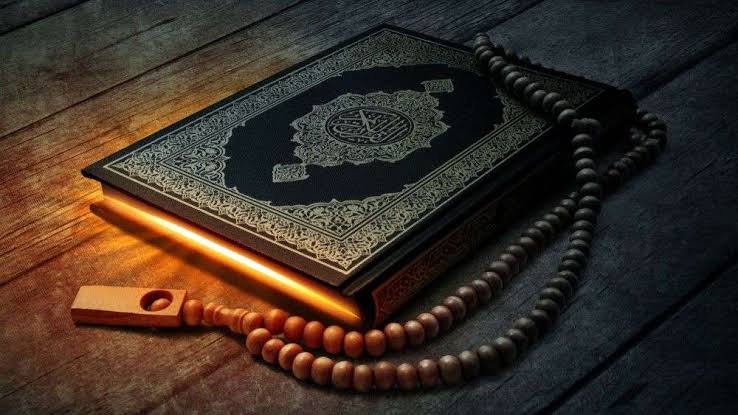
WHAT is Islam and who are Muslims?
Islam is a natural and complete way of life that encourages one to give due attention to their relationship with God and His creation. It teaches that souls find true happiness and peace through performing good actions that are approved by God and which benefit both the society and the individual. The message of Islam is simple: to believe in and to worship The One True God alone, and to accept Prophet Muhammad (peace be upon him) as His final Messenger. The word “Islam” means submission to God, and its followers are known as Muslims, who can be from any racial or ethnic background.
WHAT is the Purpose of Life?
God did not create humans to simply wander aimlessly. Rather, we have a higher purpose – to acknowledge and worship God alone, so that we live upon the guidance of our Creator. This guidance enables us to live a successful and blessed life in all aspects, in this world and the hereafter. The test of one’s faith is in using one’s intellect and reasoning abilities to contemplate and recognise God’s signs and to live according to His guidance. In God’s ultimate wisdom, He gave humans free will as a test to see who will willingly follow His path.
WHO is Allah?
WHO is Muhammad?
WHY believe in God?
- Anything that is ordered indicates intelligence
- Our solar system is highly ordered with intricate laws, systems and patterns
- Therefore, the order in our universe indicates the existence and intelligence of the Creator
WHAT is the Quran?
The Quran is the final revelation to mankind and provides a strong argument for the existence of God for those who are open-minded and sincere. It is unmatched in its style, wisdom, guidance, beauty and eloquence. It is the literal word of God, as revealed to Prophet Muhammad (peace be upon him) through the Angel Gabriel, and supersedes all previous revelations, such as the Gospel and the Torah. It is the primary source of Islamic knowledge. It explains and clarifies many issues like the purpose of our existence; the correct concept of God; the actions liked and disliked by God; the stories of the Prophets and their lessons; accounts of Heaven, Hell, and the Day of Judgement. One of the great miracles of the Quran is that it has been preserved and unchanged since it was revealed over 1400 years ago. It also contains many scientific and historical facts that were unknown to the people of that time and have only been discovered recently, which is one of the proofs that it is from God.
WHAT are the Main Practices of Islam?
The main practices of Islam are referred to as the five pillars. 1st Practice: The Testimony of Faith. To declare that there is no God worthy of worship except Allah, and Muhammad is His final Messenger. 2nd Practice: Prayers. To be performed five times daily: once each at dawn, noon, mid-afternoon, after sunset and at night. 3rd Practice: Prescribed Charity. This is an annual compulsory charity paid to those less fortunate and is calculated as a small portion of one’s total annual savings, which includes 2.5% of monetary wealth and may include other assets. It is paid by those who have excess wealth. 4th Practice: Fasting the Month of Ramadan. Throughout this month, Muslims must refrain from all food, drink and sexual relations with their spouses, from dawn to sunset. It promotes self-restraint, consciousness of God and empathy to the poor. 5th Practice: The Pilgrimage. Every able Muslim is required to make the pilgrimage to Mecca in their lifetime. It involves prayer, supplication, charity and travelling, and is a very humbling and spiritual experience.
WHAT do Muslims Believe about Jesus and Other Prophets?
Thousands of Prophets were sent by Allah, at least one to every nation, with the same message: to worship Allah alone and not associate any partner with Him. Some of these Prophets include Adam, Noah, Joseph, Abraham, Jacob, Isaac, Moses, Jesus and Muhammad (peace be upon them all). Jesus (peace be upon him) was one of the greatest Prophets sent by Almighty God. He was born miraculously without a father and performed many miracles– all by the will of God. Jesus is not God or the son of God or part of a trinity as this clearly contradicts the pure teachings of God in Islam. Consider the following:
- There are many examples in Christian teachings of Jesus speaking and behaving as if God is a separate being to himself, e.g. Jesus prays to God – If Jesus was God, who would he be praying to?
- The term “Son of God” is symbolically used in the earliest biblical languages for a “righteous person” for many people – not exclusively for Jesus. The problem arises when using the term literally or in other ways.
Although Muslims love and respect Jesus (and all other Prophets), they do not worship him nor attribute to him divine attributes, as this is reserved solely for God
ARE all religions the same?
While most religions generally have the same teachings regarding good manners and kindness to others and so on, Islam additionally focuses on the Greatness of God with no compromises with his Oneness and Perfection. Unlike other religions, Islam primarily teaches that God is completely different and unique compared to His creation and that all praise and worship is due directly and exclusively to Him. Islam is also comprehensive; simple yet profound; has revelation that is preserved; does not reject any of God’s Prophets but states that they all came with the one and same message.
WHAT Happens After Death?
HOW does Islam View Women?
DOES the Concept of Original Sin Exist in Islam?
WHAT is Jihad?
DOES Islam Condone Terrorism?
WHAT is Halal Food?
WHO Can Become a Muslim?
Allah has opened the doors of Islam to all of mankind, regardless of their past or current situation. Therefore, anyone can become a Muslim at any time by simply believing in, and uttering the following testimony of faith: ‘I bear witness that there is no God worthy of worship except Allah, and I bear witness that Muhammad is Allah’s Messenger’. Becoming a Muslim means acknowledging the greatness of The Creator and developing and maintaining a close relationship with Him by obeying Him. This will lead to happiness and contentment in this life and the next, and the realisation of one’s purpose of life.